TAVI in a patient with a "cherry-on-top" pattern
Article Sidebar
Main Article Content
Abstract
Introduction: The coexistence of severe aortic stenosis (AS) and cardiac amyloidosis (CA) in elderly patients has an estimated prevalence ranging from 5.6% to 16%, conferring an ominous prognosis characterized by refractory heart failure, cardiogenic shock, and sudden cardiac death. In this high-surgical-risk scenario, transcatheter aortic valve implantation (TAVI) emerges as the therapeutic strategy of choice.
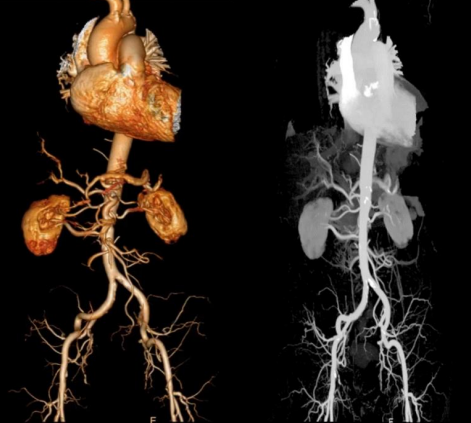
Case Report: A 75-year-old male with a history of systemic arterial hypertension and stage IIIb chronic kidney disease (GFR: 32 mL/min/1.73 m²) presented with a history of exertional syncope and three prior hospitalizations for decompensated heart failure. Upon admission, he exhibited orthopnea, angina, peripheral edema, bibasilar crackles, and a grade V/VI aortic systolic murmur with Gallavardin phenomenon. Laboratory findings revealed NT-proBNP >35,000 pg/mL, troponin I of 0.07 ng/mL, and serum creatinine of 1.98 mg/dL. The electrocardiogram showed sinus rhythm, left ventricular hypertrophy (LVH), left atrial enlargement, and complete left bundle branch block. Transthoracic echocardiography demonstrated critical AS, a left ventricular ejection fraction (LVEF) of 35%, and a global longitudinal strain (GLS) of -5.5% with relative apical sparing (cherry-on-top pattern), strongly suggestive of infiltrative CA. Given the high surgical risk (EuroSCORE II: 8.57%), the Heart Team indicated TAVI following a dedicated computed tomography angiography protocol.
Case Evolution: Percutaneous aortic valve implantation was successfully performed via the transfemoral approach without vascular complications or atrioventricular conduction disturbances. Throughout hospitalization and clinical follow-up, the patient experienced marked improvement in functional class, resolution of congestive signs, and baseline renal function stability, with no requirement for permanent pacemaker implantation, cerebrovascular events, or hospital readmissions.
Conclusions: Echocardiographic identification of the cherry-on-top strain pattern in patients with critical AS raises clinical suspicion for concomitant CA. In frail individuals with high surgical risk, TAVI represents a safe and effective therapeutic alternative that favorably modifies clinical outcomes and survival.
Downloads
Article Details

This work is licensed under a Creative Commons Attribution-NonCommercial-ShareAlike 4.0 International License.