Pregnancy-associated thrombotic microangiopathy (P-TMA)
Article Sidebar
Main Article Content
Abstract
Introduction: Pregnancy-associated thrombotic microangiopathy (p-TMA) encompasses life-threatening conditions including thrombotic thrombocytopenic purpura (TTP), atypical hemolytic uremic syndrome (aHUS), and catastrophic antiphospholipid syndrome (CAPS). Although its clinical presentation overlaps with severe preeclampsia and HELLP syndrome, postpartum deterioration demands prompt differential diagnosis to initiate targeted therapies and reduce maternal morbidity and mortality.
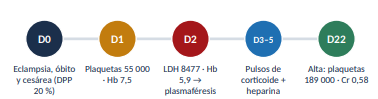
Case report: A 17-year-old primigravida at 31 weeks of gestation presented with headache, vomiting, hypertensive emergency, and intrauterine fetal demise. She developed generalized tonic-clonic seizures (eclampsia), requiring endotracheal intubation and emergency cesarean section, which revealed a 20% placental abruption. In the intensive care unit (ICU), under mechanical ventilation and vasopressor support, she developed microangiopathic hemolytic anemia with schistocytes (hemoglobin 5.9 g/dL), thrombocytopenia (nadir 55,000/μL), marked lactate dehydrogenase elevation (8,477 U/L), hyperbilirubinemia (5.25 mg/dL), acute kidney injury (creatinine 1.90 mg/dL), prolonged aPTT (Rosner index 15.8%), low C3 complement (35 mg/dL), and positive antiphospholipid antibodies.
Case evolution: Given postpartum clinical worsening and the unavailability of ADAMTS13 testing or anti-C5 therapy, a negative French score and an LDH/AST ratio of 1.3 made TTP unlikely, pointing toward aHUS overlapping with probable CAPS. Therapeutic plasma exchange (plasmapheresis) was initiated on postoperative day 2, achieving a 44% reduction in LDH levels within 12 hours, alongside full-dose heparin anticoagulation and corticosteroid pulses (days 3–5). The patient showed progressive hematologic, renal, and hemodynamic recovery (SOFA-2 score decreased from 6 to 2), being discharged on day 22 with a platelet count of 189,000/μL and serum creatinine of 0.58 mg/dL.
Conclusions: Any presumptive HELLP syndrome that persists or worsens after delivery must be managed as p-TMA until proven otherwise. Early assessment of complement levels and antiphospholipid antibodies, combined with prompt initiation of plasmapheresis, corticosteroids, and anticoagulation in settings without access to biologic agents, enables complete organ recovery.
Downloads
Article Details

This work is licensed under a Creative Commons Attribution-NonCommercial-ShareAlike 4.0 International License.